What to Bring to Your First Wargaming Tournament
Your first tournament is exciting — and a little nerve-wracking. You've played enough games to feel ready, but the jump from kitchen table to competitive table comes with a lot of "wait, do I need to bring that?" moments.
This guide is the checklist we wish someone had given us before our first event. It covers the essentials, the things most beginners forget, and a few small details that make the day go much smoother.
The essentials — don't leave home without these
Your army. This sounds obvious, but double-check your list against what's in your case. It's surprisingly common to leave a unit on the painting desk. Count your models against your army list the night before.
Your army list — printed. Most tournaments require a printed copy to hand your opponent at the start of each game. Bring at least three copies. Some events also require a digital submission beforehand — check the tournament pack.
Dice. Enough for your largest single roll. If your biggest shooting attack needs 30 dice, bring 30+ dice. Running short and needing to re-roll in batches is slow and frustrating for both players.
A tape measure or measuring tools. You'll be measuring constantly — movement, shooting range, charge distances, aura ranges. A retractable tape measure works, but purpose-built wargaming measurement tools are faster for common distances. A 6″ combat gauge handles most in-game measurements in a single tool.
The rules. Whether it's the official app, a printed rulebook, or a digital copy on your phone — have your core rules and your army's rules accessible. You will need to look things up, especially under the pressure of a timed round.
The things most beginners forget
Objective markers. Some tournaments provide them, many don't. Check the tournament pack. If you need to bring your own, make sure they're clearly numbered and stable enough to not slide around the table.
A way to track wounds. Wound dice, wound dials, wound markers — pick a system. What you don't want is a scrap of paper and a pencil, because that gets lost, smudged, and disputed. Wound markers are the fastest physical option.
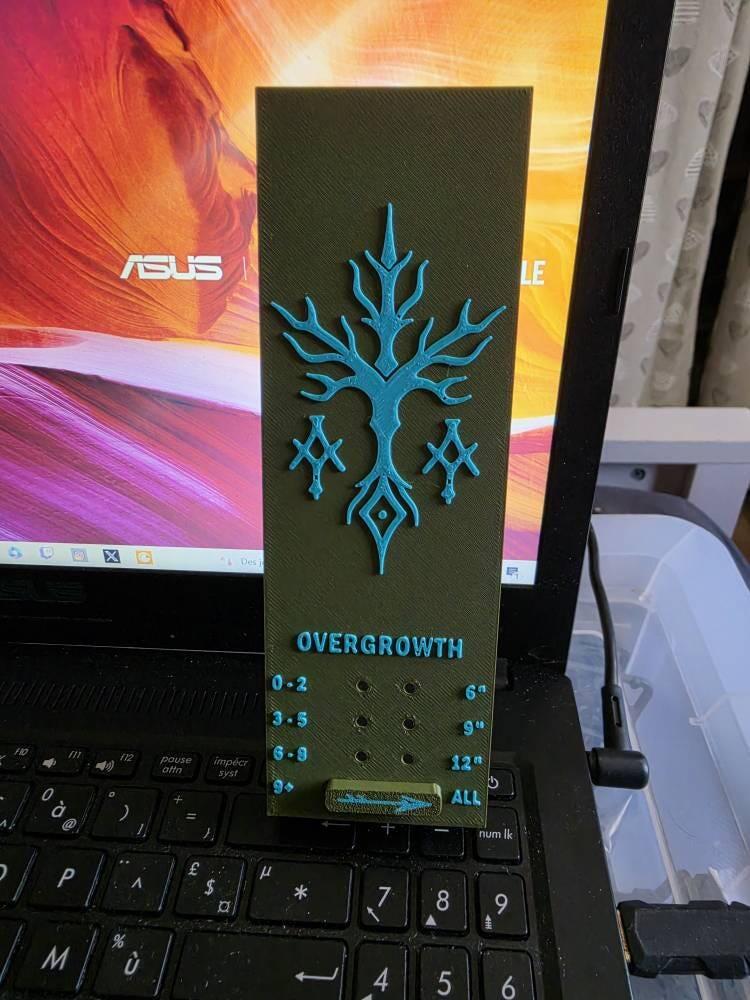
Something to track active abilities. This is the one that catches new tournament players hardest. In casual games, you can pause and discuss. In a tournament, the pace doesn't allow it. If you forget an ability, it's just forgotten — and your opponent has no obligation to remind you.
Token sets solve this completely. Even a universal token set covering core mechanics will save you from the worst "I forgot that was active" moments. If you're running a complex army, an army-specific set is even better.
Deployment zone markers. Setting up deployment zones correctly at the start of each game matters more in competitive play. A set of deployment zone markers makes this a 30-second job rather than a five-minute negotiation with a tape measure.
A pen and notepad. For scoring, notes between rounds, and tracking your secondary objectives if the event doesn't use an app.
Making your day easier
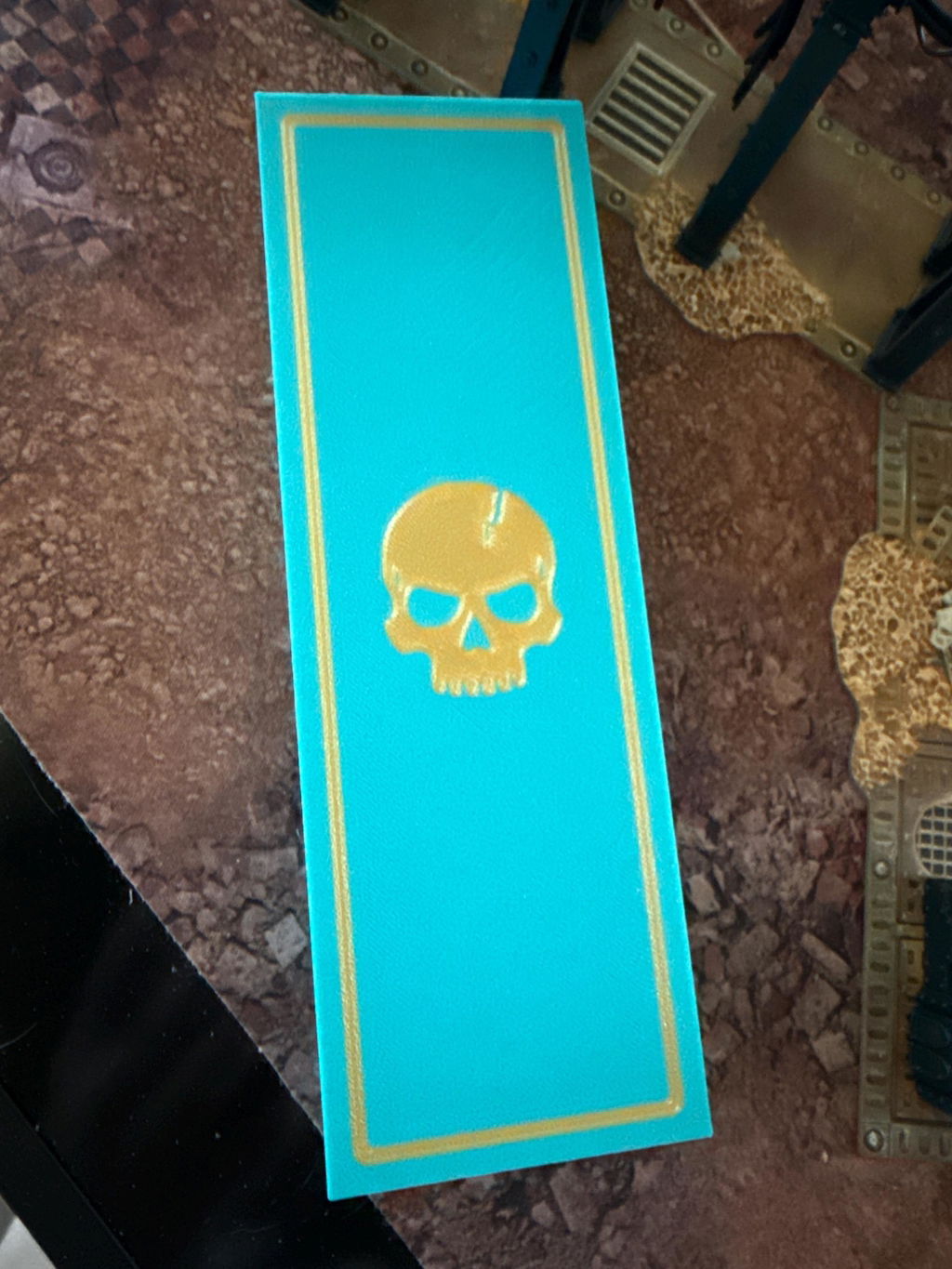
A dice tray. Rolling dice without one means chasing strays, knocking over models, and annoying your opponent. You can bring a separate tray, or use a dice organiser like the Battlebox where the lid becomes a felt-lined tray.

One bag or system, not five. The fewer things you need to carry, set up, and pack between rounds, the better. Players who arrive with their dice in one bag, tokens in a pouch, tools in a box, and tray under their arm spend more time setting up and more mental energy keeping track of their stuff. A modular system that holds everything together saves you that friction across a full day.
Water and snacks. Tournament days are long — often 8+ hours with short breaks between rounds. Dehydration and hunger affect your decision-making more than you'd expect. Bring a water bottle and something to eat between rounds.
A positive attitude. You will almost certainly lose at least one game, possibly badly. That's normal and expected at your first event. The players who enjoy their first tournament are the ones who go in to learn, not to win. Be friendly, ask questions when rules come up, and compliment your opponent's army. The competitive wargaming community is overwhelmingly welcoming to new players.
A practical packing checklist
Here's the summary you can screenshot before your next event:
[ ] Army (model count checked against list)
[ ] Three printed army lists, dice (enough for your biggest roll)
[ ] Measuring tools (tape measure or combat gauge + measuring sticks)
[ ] Rules (app or printed), objective markers (check tournament pack)
[ ] Wound trackers (dials, markers, or dice)
[ ] Token set (universal or army-specific)
[ ] Deployment zone markers
[ ] Dice tray (or a Battlebox)
[ ] Pen and notepad, water and snacks
[ ] Comfortable shoes if you'll be standing
That covers everything. You'll figure out your personal preferences after the first event — most players come back with a very clear sense of what they want to upgrade for next time.
Where to start if you're buying gear
If you're shopping for your first tournament and don't want to buy everything at once, here's the priority order based on what makes the biggest difference on the day:
First: a way to track your army's abilities — either a universal token set or your army-specific token set. This is the single biggest upgrade for tournament readiness.
Second: a combat gauge — faster and more accurate than a tape measure for the distances you use most.
Third: deployment zone markers — saves setup time every single round.
After that: a Battlebox to bring everything together in one system, and wound markers for clean damage tracking.
Everything is made to order in 28 colour options. Pick colours that match your army, or go for high-contrast readability — whatever works for how you play.